Abstract
Background: In-hospital cardiopulmonary arrest (IHCA) is defined as Cardiac arrest (CA) occurring within inpatients areas of a hospital. The incidence of IHCA is often associated with high mortality. Data on IHCA is very deficient in Saudi Arabia (SA). This study aimed to bridge this information gap by evaluating IHCA data in SA over the last 30 years with a focus on etiologies, outcomes and mortality rates among these patients.
Methods: This systematic review included and analyzed all papers related to IHCA in SA published between 1993 and 2023.
Results: Twelve studies, making a total of 6913 patients were analyzed. Ten studies (83.33%) had a retrospective design. Five studies (41.66% each) were conducted in the central and western regions of SA. Return of Spontaneous Circulation (ROSC) was achieved in 1964 (28.41%) patients, and survival to discharge was seen in 290 (4.19%). The average cardiopulmonary resuscitation (CPR) duration was 19 (± 5.04) min. Common predictors for ROSC included sex, age, CPR duration, initial rhythm, immediate administration of intravenous epinephrine, amiodarone, and pre-arrest intubation. Sepsis was identified as a common predictor for poor CPR outcomes.
Conclusion: The factors associated with ROSC included female sex, younger age groups, monitored initial rhythms, immediate administration of intravenous
epinephrine and early endotracheal intubation. Rapid response teams was an important intervention which significantly reduced mortality in survivors.
Keywords
in- hospital cardiac arrest, cardiac arrest, emergency department
Introduction
CA is defined as the cessation of functional cardiac activity resulting in the loss of palpable pulse, perfusing rhythm, or apnea [1]. It carries high mortality and the survivors of CA usually end up with ischemic brain injury, organ failure, and neuropsychiatric conditions [1-6]. CA are classified based on the location: In-Hospital (IHCA) or Out-of-Hospital (OHCA) [2,3]. The global and Saudi Arabian ROSC rates post CA are 9.9% and 7.4% respectively [4,5]. One of these four types heart rthyms i-e asystole, pulseless electrical activity (PEA), ventricular fibrillation (VFib) or pulseless ventricular tachycardia (pVT) are the presenting rhythms during CA, and can flip during resuscitation. American Heart Association (AHA) guidelines lay the foundation principles with regards to management of CA [7]. IHCA has received less attention in the literature compared to OHCA, which also reflects in SA. Moreover the IHCA data has come out of intensive care units (ICU) settings and less from emergency departments (ED). We wanted to find more IHCA data from ED due to current problem of boarding within EDs. We intended to do this systematic review to mail address the knowledge deficiency surrounding IHCA and add more information with regards to the associated etiologies, ROSC outcomes, and predictors of IHCA. In addition, this study can facilitate future comparisons with international data and inform clinical practice and policy development within SA.
Methods
Literature search was conducted (PubMed, Cochrane, Google Scholar, and Science Direct) using the terms “in-hospital cardiac arrest,” “predictors,” outcomes,” “resuscitation,” and “Saudi Arabia” in the abstract and title. Two reviewers independently screened studies for relevance, gathered data, and evaluated study quality. All data were refined to include a 30-year span (1983–2023) and identify studies that meet the pre-determined inclusion and exclusion criteria. Furthermore, any difference between the two reviewers was settled through consultation with a third reviewer. Key information was extracted from the final records of the included studies. The references of the included studies were manually reviewed to identify related studies.
Inclusion and exclusion criteria
This review included retrospective and prospective studies assessing predictors and outcomes of IHCA, either alone or in comparison with OHCA. Studies published in languages other than English, narrative reviews, clinical trials, letters, and conference abstracts, duplicated studies, studies with insufficient data or findings, and studies for which full text is unavailable were excluded.
Screening and data extraction
The following data were gathered from the included articles: authors, publication date, study design, sample size, study objectives, study duration, predictors, study outcomes, and interventions. Each reviewer independently collected and analyzed the data, which were then consolidated. In cases of discrepancy, a third reviewer was brought in for consultation.
Outcome measures
A scoping search was conducted, and multiple studies were reviewed to assess IHCA outcomes and identify mortality and outcome predictors in the KSA. This was performed during the design step before doing the actual search.
Statistical analysis
The sub analysis was performed using Stata software version 17. Qualitative data were described as frequency tables and percentages, whereas quantitative data were given as means, standard deviations, or median and interquartile ranges.
Results
A total of 3272 articles have been published. Only twelve studies including 6913 patients were eligible for the study (Figure 1), complete details of findings are shown in (Table 1A and 1B). Majority of studies were conducted in the central region (41.66%) and western region (41.66%). Most studies had a retrospective design (83.33%), and some followed a prospective design (16.66%). Most studoes were single centered (91.66%), and only one study had a multicenter setting (8.33%). Regarding the publication year, the studies in years 2018, 2021, and 2023 amounted 16.66% (Table 2).
Table 1A. Characteristics of the included studies
Table 1B. Characteristics of the included studies
Table 2. Characteristics of the 12 studies included in the primary analysis
Description |
No of studies (%) |
Region of study |
Central region |
5 (41.66%) |
Western region |
5 (41.66%) |
Eastern region |
1 (8.33%) |
Multiple regions |
1 (8.33%) |
Study design |
Retrospective |
10 (83.33%) |
Prospective |
2 (16.66%) |
Sites |
Single center |
11 (91.66%) |
Multicenter |
1 (8.33%) |
Year of publication |
1993 |
1 (8.33%) |
2007 |
1 (8.33%) |
2009 |
1 (8.33%) |
2016 |
1 (8.33%) |
2018 |
2 (16.66%) |
2019 |
1 (8.33%) |
2021 |
2 (16.66%) |
2022 |
1 (8.33%) |
2023 |
2 (16.66%) |
Table 3 shows 1964 (28.41%) of the 6913 had ROSC. The distribution of initial rhythm is presented in Table 4. The most common initial rhythm observed was asystole (26.28%), followed by PEA (17.67%) and bradycardia (11.05%). VF, VT, and a combination of VF/VT were less common initial rhythms, each accounting for <3% of cases. A large proportion of cases (40.73%) had undocumented initial rhythm, highlighting the importance of thorough documentation in emergency medical situations (Table 4). Table 5 presents the percentage of patients who survived discharge post ROSC. Out of 6913 patients with CA, 14.7% survived to discharge. Among the 1964 patients who achieved ROSC, only 4.19% survived to discharge (Table 5). Table 6 demonstrates the average duration of cardiopulmonary resuscitation (CPR) in the seven included studies. The mean CPR duration was 19.07 min (SD +/- 5.04) (Table 6).
Table 3. Distribution of return of spontaneous circulation among 6913 cases
(% of 6913) |
Count |
Variable |
(28.41%) |
1964 |
ROSC |
Table 4. Distribution of initial rhythm in 6913 cases
(% of 6913) |
Count |
Variable |
Initial rhythm |
(2.357%) |
163 |
VF |
(1.157%) |
80 |
VT |
(0.708%) |
49 |
VF/VT |
(17.67%) |
1222 |
PEA |
(26.28%) |
1817 |
Asystole |
(11.05%) |
764 |
Bradycardia |
(0.028%) |
2 |
Sinus rhythm |
(40.73%) |
2816 |
Not documented |
Table 5. Survival to discharge rates among ROSC and total number of patients with cardiac arrest
(% of 6913) |
(% of 1964 ROSC) |
Count |
Variable |
(4.19%) |
(14.76%) |
290 |
Survival to discharge |
Table 6. Average duration of cardiopulmonary resuscitation in the included studies (N = 7)
Mean ± SD |
Variable |
19.07 ± 5.04 |
CPR duration |
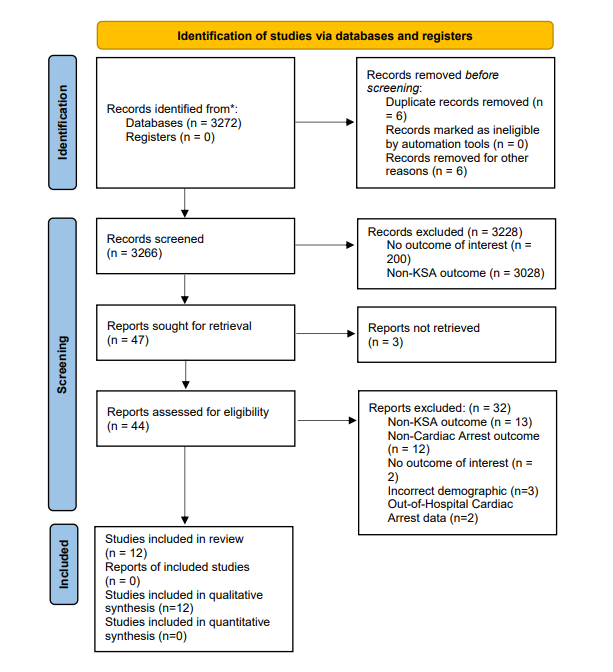
Figure 1. Flow diagram of the included studies
Discussion
It is pertinent to delineate the most prevalent associated factors discussed in published data, which we divided in Patient related factors and Hospital factors. We noticed most of the IHCA data was derived from the ICU and some from ED, in-patient wards, day surgical units, hemodialysis units, and infusion units.
Patient-related factors
A retrospective analysis of a tertiary hospital in the central region was reviewed to compare the prevalence of IHCA within ICU patient population and the correlation of patient characteristics with CPR outcomes in the ICU setting. The most commonly identified comorbidities in this population were sepsis (28%), brain injury (5%), and myocardial infarction (4.9%). Factors associated with the highest mortality were sepsis and older age (age > 55 years) (RR = 0.99). No significant association with sex was found [8].The influence of patient factors was associated with poor outcomes in a retrospective study conducted at a tertiary-care hospital in the central region with a primarily high-risk patient demographic. The high-risk demographics in this context included patients with immunocompromised status, oncological diseases, metabolic disorders and transplantation status. Out of 143 patients that experienced IHCA during the study period, 41 (42%) achieved ROSC; however, only 15 (15%) survived to discharge, of which 6 (6.1%) were discharged in good neurological and physical condition. Further retrospective evaluation of the patients who had CA history showed that some may have been candidates for a DNAR (Do Not Attempt Resuscitation Order) status before the CA and that resuscitation failure was more related to their overwhelming comorbid condition [9]. Population comorbidities were identified in an ED study suggesting that hypertension (HTN, 43.8%) and coronary artery disorder (CAD, 41.8%) were the two most common concurrent comorbidities, with significant effect on mortality. Other comorbidities with the effect on ROSC outcome were sepsis, overall health status, and need for ICU admission [10].
Another factor discussed was advanced age. A study from the Boston group of hospitals reported that of the 258 hospital patients aged ≥70 years who suffered CA, only 17 survived to discharge (6.5%), and of these, about half were impaired in one way or another and proposed the revision of indication for starting CPR in IHCA in older patients or moribund individuals because resuscitation is futile [11,12]. Alanazi et al. found that CA is more common in men; however, no significant difference in ROSC rates was found between sexes. The survival rates were mainly affected by female sex [10]. In a study conducted in the central region, the ROSC rate (74.4%) was significantly higher than those of other studies. The most common initial rhythms were non-shockable (PEA and asystole). However, the ROSC was lower in non-shockable rhythms than in shockable ones (pVT and VF); this raises the question of how predictive is the initial rhythm on survival [13]. In another study in the western region, non-shockable rhythms were more common (93.2%), and the ROSC rate was 56.2% despite the prevalence of an older patient population within the study. Despite the prevalence of the non-shockable rhythms, they were not highlighted as a mortality predictor; instead, respiratory causes were noted as a predictor of survival within this study [10]. Another study found CPR duration of <30 min was the most significant factor in predicting successful ROSC [10]. The possibility of confounding in ICU IHCA data must be considered because many studies have documented poor outcomes of patients in the ICU, and it was postulated to be due to the existing critical state of the patients admitted in the ICU. As stated previously, patient comorbidities and demographics are important survival factors. However, further dedicated studies regarding ICU IHCA outcomes are needed before determining the negative effect of ICU admission on overall IHCA [8,10,11,13,14].
Hospital factors
Some institution-related factors highlighted in the studies include poor organization of in-hospital response teams (also known as rapid response teams (RRTs), delay summoning the resuscitation team, lack of equipment availability and staff training. These factors in conjunction with the patient related factors affect the overall outcome [13]. RRTs have been widely adopted within hospital settings and significantly lower mortality has been reported [15,16]. A study conducted in the eastern region aimed to identify “vital signs” changes that may predict aCA within the hospital environment. Preceding CA, 94% of the patients had abnormal vital signs within the previous 24 h. The prevalence of at least one abnormal vital sign was consistently (100%) observed on monitor beds compared with 82% on unmonitored beds. Within this study, 80% of the patients who had CA had signs of significant physiological deterioration preceding the CA event. Moreover, 70% of these patients showed evidence of respiratory deterioration in the 8 hours prior to CA. The results indicated that the most common predictors of CA were increased respiratory rate, hypotension, and tachycardia [17]. Another study examined the effect of immediate (<2 min) versus early (≥2 min) epinephrine administration. After adjusting for confounding covariates, earlier administration of epinephrine had higher rates of ROSC which sustained for up to 24 h (odds ratio [OR] 1.33, 95% CI [1.13–1.55]) but a worse neurological outcome compared with the placebo group according to a Rankin score of 4–5 (31% in the epinephrine group vs. 17.8% in the placebo group [18]. Many studies have discussed the importance of deploying a 24 hrs. RRT until advanced resuscitation provisions are available. The ROSC in these cases was directly proportional to shorter duration of CA and quicker initiation of treatment.
National data registry
A similar database to “The National Registry of Cardiopulmonary Resuscitation” in USA is needed in SA to collect data on patients with CA for quality improvement programs. Using variables within this registry as a benchmark, the national recommendations can be tailored for local populations [9,19,20]. The authors also recommend creating a concised documentation template for recording CA data. More research is needed to decide which variables are the most valuable to be used in future guidelines [21,22].
Limitations
The study includes a majority of retrospective single-center studies and inconsistent documentation records.
Conclusion
Short duration of CPR (<10 minutes) is commonly associated with ROSC, emphasing need for early intervention. Hypertension and coronary artery disease are the most common co-morbities found in patients with CA, while sepsis is associated with highest mortality. RRTs intervention in critically ill patients reduces risk of progression to CA.
List of abbreviations
AHA: American Heart Association
BLS: Basic Life Support
CAD: Coronary Artery Disorder
CPR: Cardiopulmonary Resuscitation
ED: Emergency Department
EMS: Emergency Medical Services
HCWs: Healthcare Workers
HTN: Hypertension
ICU: Intensive Care Unit
IHCA: In-Hospital Cardiopulmonary Arrest
KAUH: King Abdulaziz University Hospital
KFH: King Fahad Hospital
KSA: Kingdom of Saudi Arabia
OHCA: Out-Of-Hospital CA
PEA: Pulseless Electrical Activity
pVT: Pulseless Ventricular Tachycardia
ROSC: Return of Spontaneous Circulation
RRT: Rapid Response Teams
STD: Survival to Discharge
VFib or VF: Ventricular Fibrillation
Declarations
Ethics approval and consent to participate were not required for this study as it involved publicly available data.
Consent for publication
The authors confirm that there are no individual participant details within the published content that require consent for publication.
Availability of data and materials
The data and materials used in this research are available upon request from the corresponding author.
Competing interests
The authors declare that they have no competing interests
Funding
This research received no specific grant from any funding agency in the public, commercial, or not-for-profit sectors.
Author’s contributions
MQ, SE and NS initiated and designed the study. RZ, MQ participated in study design. RZ participated in data analysis. MQ, SE, NS, and RZ drafted
the manuscript. All authors read and approved the final manuscript.
References
- Cardiac Arrest | Cdc.gov. (n.d.) Cardiac arrest Centers for Disease Control and Prevention.
- Moskowitz A, Holmberg MJ, Donnino MW, Berg KM (2018) In-hospital cardiac arrest: Are we overlooking a key distinction? Curr Opin Crit Care 24: 151-157. [Crossref]
- Høybye M, Stankovic N, Holmberg M, Christensen HC, Granfeldt A, et al. (2021) In-hospital vs. out-of-hospital cardiac arrest: Patient characteristics and survival. Resuscitation 158: 157-165. [Crossref]
- Yan S, Gan Y, Jiang N, Wang R, Chen Y, et al. (2020) The global survival rate among adult out-of-hospital cardiac arrest patients who received cardiopulmonary resuscitation: A systematic review and meta-analysis. Crit Care 24: 61-65. [Crossref]
- Alabdali A, Alghamdi A, Binhotan M, Alshibani A, Alharbi M, et al. (2024) Epidemiology and outcomes of out of hospital cardiac arrest in Saudi Arabia: Findings from the Saudi out of hospital cardiac arrest registry (SOHAR). Resusc Plus 17: 100516. [Crossref]
- Alhaj Zeen M, Aburisheh J, Alshehri SS, Alshehri SA, Smaisem FS, et al. (2023) Outcomes of cardiopulmonary resuscitation and predictors of its outcomes in the emergency department in King Saud Medical City, Saudi Arabia. Cureus 15: e39268. [Crossref]
- Perkins V (1996) CPR during pregnancy. Am Heart J 132: 1319.
- Rasheed AM, Faisal Amera M, Parameaswari PJ, Sabri Numan O, Elhaj AM, et al. (2016) The initial success rate of cardiopulmonary resuscitation and its associated factors among intensive care unit patients in a tertiary hospital in Saudi Arabia. Int Crit Care 2: 1-6.
- Aldawood A (2007) The outcomes of patients admitted to the intensive care unit following cardiac arrest at a tertiary hospital in Saudi Arabia. Pol Arch Intern Med 117: 497-500. [Crossref]
- Alanazi MM, Alanazi FM, Abdulqader OA, Alduraywish DA, Alotaibi SB, et al. (2023) Prognostic factors of cardiac arrest in the emergency department. Med Sci 27: e157ms2941.
- Davies G, Rhydderch RD (1995) Outcome of in-hospital cardiac arrests in a tertiary care facility. Ann Saudi Med 15: 559-562. [Crossref]
- Murphy DJ, Burrows D, Santilli S, Kemp AW, Tenner S, et al. (1994) The influence of the probability of survival on patients' preferences regarding cardiopulmonary resuscitation. N Engl J Med 330: 545-549. [Crossref]
- Bakhsh AA, Bakhsh AR, Karamelahi ZA, Bakhsh AA, Alzahrani AM, et al. (2018) Communicating resuscitation. Saudi Med J 39: 261-266. [Crossref]
- Alzahrani A, Alnajjar MF, Alshamarni HM, Alshamrani HM, Bakhsh AA (2019) Prevalence and outcomes of sudden cardiac arrest in a university hospital in the Western Region, Saudi Arabia. Saudi J Med Med Sci 7: 156. [Crossref]
- Chen J, Ou L, Hillman K, Flabouris A, Bellomo R, et al. (2014) The impact of implementing a rapid response system: A comparison of cardiopulmonary arrests and mortality among four teaching hospitals in Australia. Resuscitation 85: 1275-1281. [Crossref]
- Solomon RS, Corwin GS, Barclay DC, Quddusi SF, Dannenberg MD (2016) Effectiveness of rapid response teams on rates of in-hospital cardiopulmonary arrest and mortality: A systematic review and meta-analysis. J Hosp Med 11: 438-445. [Crossref]
- Rehmani R, Memon JI, Nizam IY (2009) Warning signs prior to in-hospital cardiac arrest: Need for a rapid response team. Saudi Med J 30: 580-582. [Crossref]
- Bakhsh A, Safhi M, Alghamdi A, Alharazi A, Alshabibi B, et al. (2021) Immediate intravenous epinephrine versus early intravenous epinephrine for in-hospital cardiopulmonary arrest. BMC Anesthesiol 21: 147. [Crossref]
- Khan A, Albokhari A, Mal R, Turaes A, Alqurashi R, et al. (2022) Risk factors in reducing mortality from in-hospital cardiopulmonary resuscitation. Saudi J Oral Dent Res 7: 290-295.
- Alghamdi AA, Alharbi AM, Albakistani RA, Alshehri MA (2021) Incidence of unexpected cardiac arrest among intensive care unit patients in national guard hospitals in Jeddah, Riyadh, and Al Ahsa. Saudi Crit Care J 5: 1-6.
- Skrifvars MB, Rosenberg PH, Finne P, Halonen S, Hautamäki R, et al. (2003) Evaluation of the in-hospital Utstein template in cardiopulmonary resuscitation in secondary hospitals. Resuscitation 56: 275-282. [Crossref]
- Shirah BH, Al Nozha FA, Zafar SH, Kalumian HM (2019) Mass gathering medicine (Hajj Pilgrimage in Saudi Arabia): The outcome of cardiopulmonary resuscitation during Hajj. J Epidemiol Glob Health 9: 71-75. [Crossref]